Chicago News
-
NOV 18, 2020


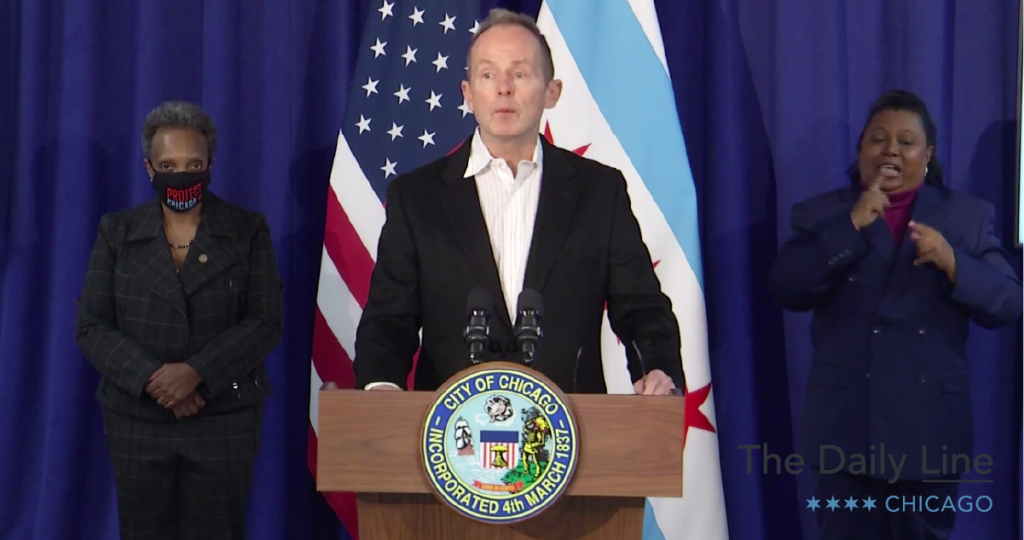 Mayor Lori Lightfoot and Alds. Scott Waguespack (32) and Tom Tunney (44) on Monday announced the proposal to cap delivery fees on takeout orders
A proposal to cap delivery fees on takeout food orders in an attempt to help financially struggling restaurants could be in place before Thanksgiving, but delivery companies are not keen on the proposal.
-
NOV 18, 2020
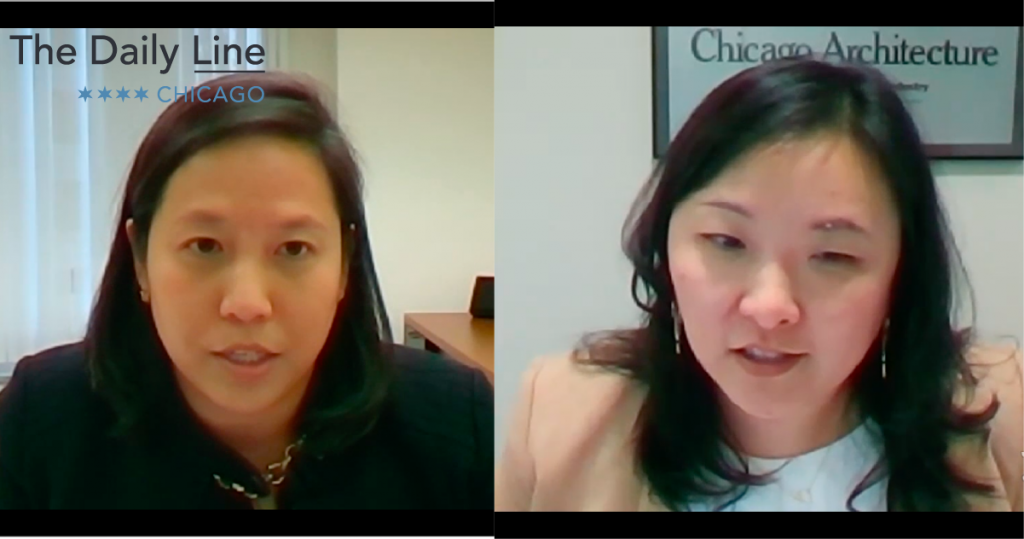 The city’s Chief Financial Officer Jennie Huang Bennett and Budget Director Susie Park on Tuesday answered questions on the proposed property tax increase.
Aldermen on Tuesday rallied against Mayor Lori Lightfoot’s proposal to raise property taxes by $93.9 million and tie future increases to the consumer price index, measures the mayor has said are necessary to close the historic budget gap the city faces headed into 2021.
-
NOV 18, 2020
Cook County Board President Toni Preckwinkle and key members of the county board of commissioners signaled they will consider asking voters for permission to raise their own property taxes in an effort to bolster the county’s 77,000-acre Forest Preserve District.
 Advocates say raising taxes on the average Cook County property by $15 per year would be enough to put the forest preserves on firm financial ground. [Facebook/Forest Preserves District of Cook County]
 -
NOV 18, 2020
 Jennifer Koehler, director of the Cook County Department of Public Health’s contact tracing program, speaks to commissioners in a hearing on Tuesday
Cook County public health officials have hired less than half the staff of contact tracers they had hoped would be working in time for an autumn wave of COVD-19, but leaders of the program say their efforts are already working.
-
NOV 17, 2020
UNLOCKED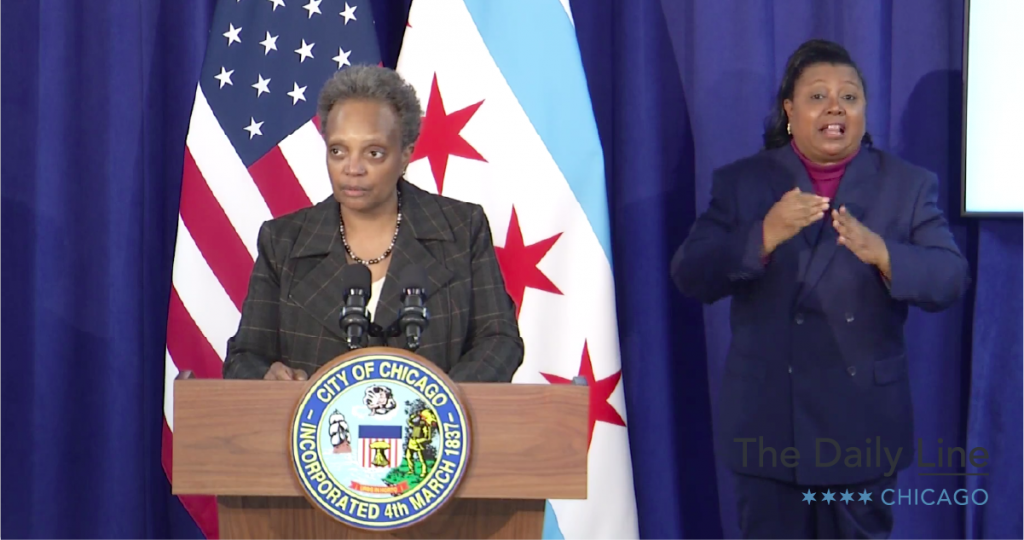 Mayor Lori Lightfoot during a press conference on Monday said she is putting additional funding toward violence prevention and program that would send mental health professionals and police to mental health calls.
Mayor Lori Lightfoot vowed on Monday to pad her proposed 2021 budget with an extra $10 million in funding toward violence prevention efforts and expand a plan to send mental health professionals to respond to emergencies. Yet even with the added measures, the mayor faces an uphill battle to get at least 26 “yes” votes.
Many aldermen remain skeptical of Lightfoot’s plan to close the city’s $1.2 billion budget chasm by hiking the city’s property tax levy by $94 million and restructuring or refinancing $1.7 billion in debt. Lightfoot on Monday formally introduced her proposed $1.63 billion tax levy (O2020-5747), plus a revenue ordinance (O2020-5749) spelling out plans to issue more than $2 billion in borrowing. -
NOV 17, 2020
UNLOCKED
News in brief: Delivery fee caps set for approval; $134M Cook County Forest Preserves budget faces final vote
-
NOV 17, 2020
 Mayor Lori Lightfoot said Monday that she opposes a proposal to legalize video gaming terminals in Chicago.
Aldermen on Monday sabotaged a series of their colleagues’ proposals aimed at averting Mayor Lori Lightfoot’s proposed $94 million property tax hike, but one pitch by a group of Democratic Socialist aldermen to raid three of the city’s most lucrative tax-increment financing districts remain on the table. -
NOV 16, 2020
Cook County Board of Review Comm. Dan Patlak (R-1) and county Circuit Judge Jackie Portman-Brown on Sunday both appeared on track to be fired by voters, as fewer than 30,000 votes remained to be tabulated countywide.
 Cook County Board of Review Comm. Dan Patlak and Circuit Judge Jackie Portman-Brown [Cook County; Facebook/Friends Of Judge Jackie Marie Portman-Brown]
 -
NOV 16, 2020
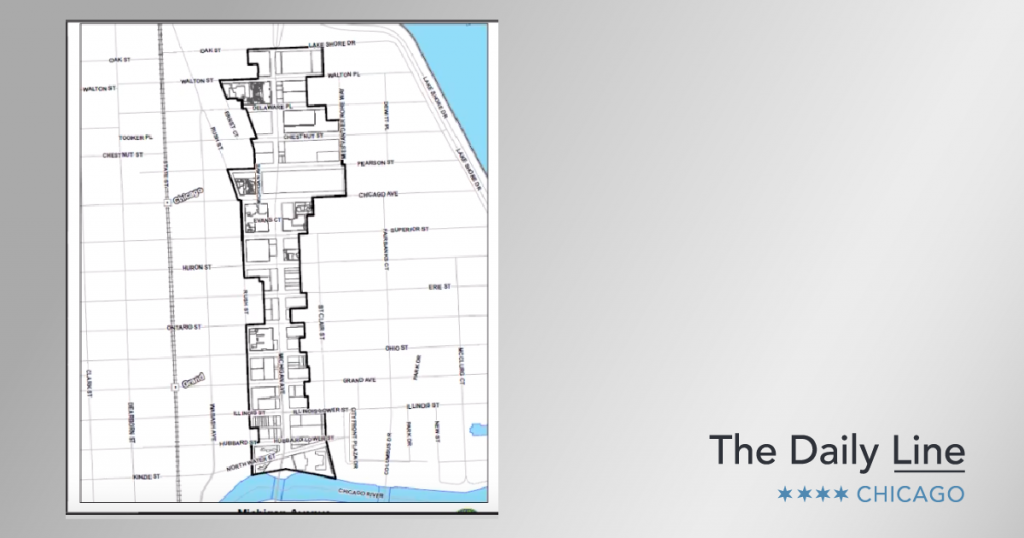 Map of a proposed Special Service Area that would run along the North Michigan Avenue retail district
Downtown business leaders and city planning officials made the case on Friday for an “expedited” process to create a new Special Service Area (SSA) along North Michigan Avenue, but the aldermen who represent the city’s marquee retail district aren’t sold. -
NOV 16, 2020
UNLOCKED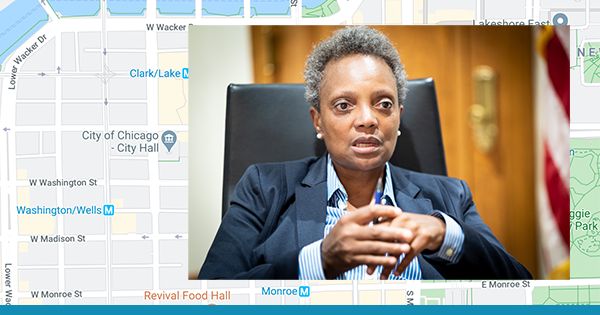 Mayor Lori Lightfoot is set to introduce ordinances on Monday formalizing her $12.8 billion budget proposal for 2021.
Negotiations are set to intensify this week as Mayor Lori Lightfoot rolls out ordinances to formalize her $12.8 billion budget proposal, even after the mayor announced a deal with labor leaders to avert more than 300 potential layoffs next year.
The agreement, announced on Saturday, was made possible because of higher-than-expected tax revenue from cannabis sales, according to city financial officials. The city will borrow an additional $15 million against the pot revenue at a rate of 3.25 percent, officials said. -
NOV 13, 2020
Cook County commissioners are poised on Tuesday to pass a $134 million budget for the county’s Forest Preserve District that manages to avoid layoffs, permanent closures or significant tax increases. But a longer-term crisis looms on the horizon if the county does not come up with more money soon for the network of public lands, district leaders say.
 A jogger uses a trail in the Busse Woods, one of 22 Cook County Forest Preserves [Facebook/Forest Preserve District of Cook County]
 -
NOV 12, 2020
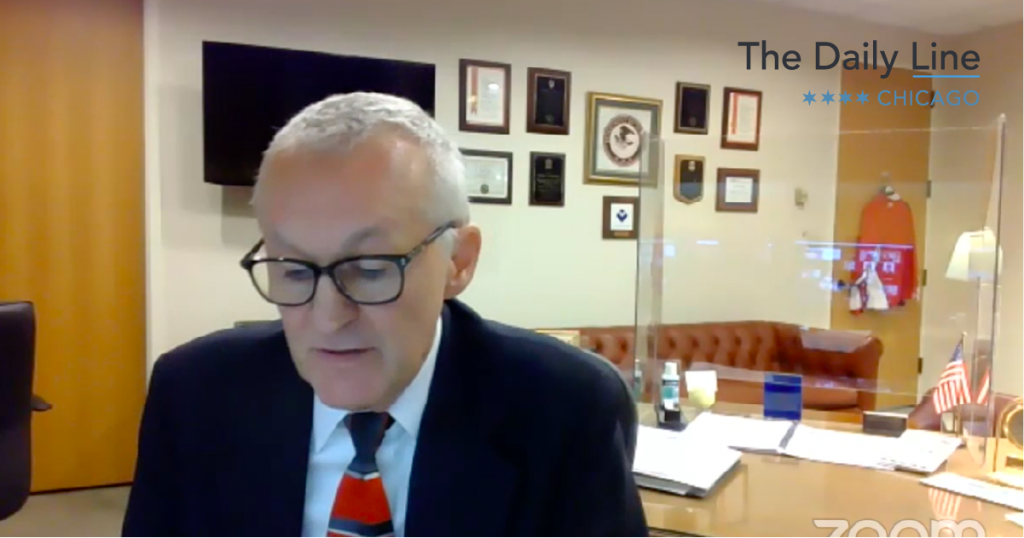 Corporation Counsel Mark Flessner on Tuesday addressed aldermen during a hearing on the department’s budget.
A letter that Corporation Counsel Mark Flessner sent aldermen in September warning against demanding companies do more to meet the city’s minority hiring rules was back in the limelight Tuesday during the Department of Law budget hearing. -
NOV 12, 2020
 It’s been three weeks since Mayor Lori Lightfoot introduced her 2021 budget proposal, and now aldermen say negotiations on funding and spending begin.
As the ordinance for Mayor Lori Lightfoot’s proposed 2021 budget will be presented next week, aldermen say now is when the grinding out of what will eventually become the city’s 2021 budget occurs.