


-
FEB 10, 2026

UNLOCKEDIllinois lawmakers propose bill to increase state spending on k-12 schools
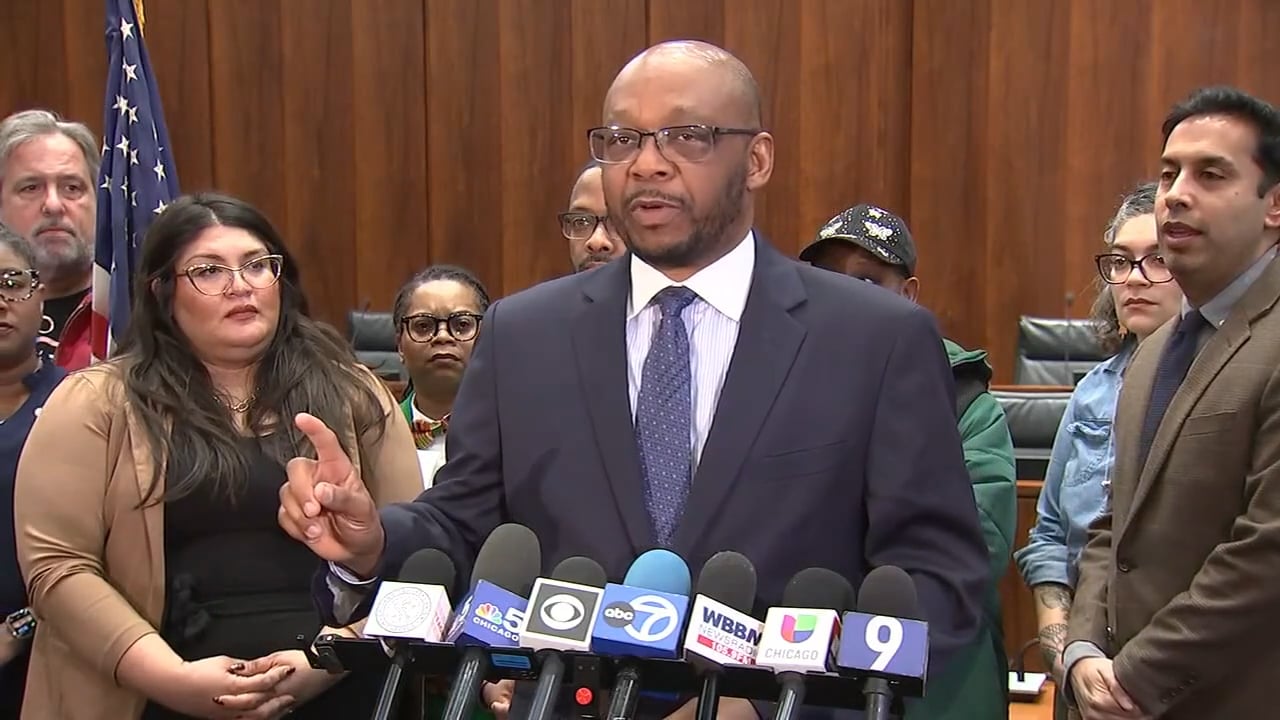
Two Illinois lawmakers are proposing legislation that would require the state to fully fund certain mandated programs for k-12 schools and fully fund districts through evidence-based funding.
The measures come as schools and education advocates raise fears about cuts from the federal government, as well as concerns that the state has been shortchanging these essential programs.
Mandated programs include special education, transportation and free lunch and breakfast.
Schools are required to provide these programs through state law, but the reimbursements they receive from the state do not cover the full operating costs. Schools must use their budgets to pay off the remaining portion.
Sen. Graciela Guzmán (D-Chicago) said this can be a challenge for some of Illinois’ school districts. She said these programs are essential for students.
“These are not optional,” she said. “They are legal and moral requirements, and if we require our schools to provide them, the state has an obligation to fund them. Anything less is setting up our schools and our communities to fail.”
Guzmán is the chief sponsor on Senate Bill 3701, which would require the state to cover 100 percent of the costs associated with the programs. The house version of the bill, House Bill 5409, is sponsored by Rep. Will Davis (D-East Hazel Crest), chair of the House Elementary and Secondary Education Appropriations Committee.
The measure also requires the annual increase in evidence-based funding equal the amount required to fund Tier 1 and Tier 2 schools at 100 percent adequacy.
Since passing the evidence-based funding model in 2017, the state has made the minimum annual increase of $350 million. While aligned with statutory requirements, the lack of larger increases has put the state off its funding goals, as reported by Chalkbeat.
The four-tier system created by the evidence-based funding bill sorts districts by how far off they are from being adequately funded through means such as property taxes. Tier 1 schools are the furthest away from being adequately funded, meaning they receive the most funding through the formula, followed by Tier 2.
This proposal would require the Illinois State Board of Education (ISBE) to determine annually how much is needed to adequately fund these schools and then would require the General Assembly to provide that amount.
The measure would go into effect for the upcoming fiscal year, which could be a challenge as the state faces a deficit.
ISBE is requesting a $10.9 billion budget for the upcoming fiscal year, which includes the $350 million minimum evidence-based funding increase. Mandated spending will also increase by $151 million under the request, with most of that going toward increased transportation costs.
Read more: ISBE approves $10.9B budget request with minimum $350 million EBF increase
Public education is largely funded by local property taxes, with state and the federal government also contributing. Still, education cuts at the federal level have been a major concern of advocates and teachers unions, especially as the Trump administration looks to dismantle the Department of Education.
Davis said in light of these actions, the state needs to ensure that it is funding Illinois schools.
“This is a priority for me; there is no other priority,” he said. “We often talk about how important our young people are. Well, let's, as they say, put our money where our mouth is and prioritize k-12 education and make sure that our young people are getting all the resources necessary. When we talk about them being the next generation of leaders, it starts with a high-quality public education.”
Davis said the proposal does not specifically state where the revenue to fund it will come from. He said the chambers are conversing about new revenue streams and that some of that should be directed towards schools.
He said he hasn’t spoken directly with the governor but did speak with Deputy Gov. Martin Torres, who oversees education for the governor’s office. Davis said he was told the administration is “comfortable” with the current funding level for k-12 education.
But Davis said money is being spent elsewhere and that some of that funding should be prioritized for schools.
The measure is backed by the Illinois Federation of Teachers, the Chicago Teachers Union and the Chicago Principals' Association.
The Senate version of the bill has been sent to the Senate Assignments Committee, while the House version awaits assignment to the House Rules Committee.


Trending


