


-
APR 24, 2026

UNLOCKEDBill to bring Illinois property tax sales into compliance with Supreme Court decision clears House
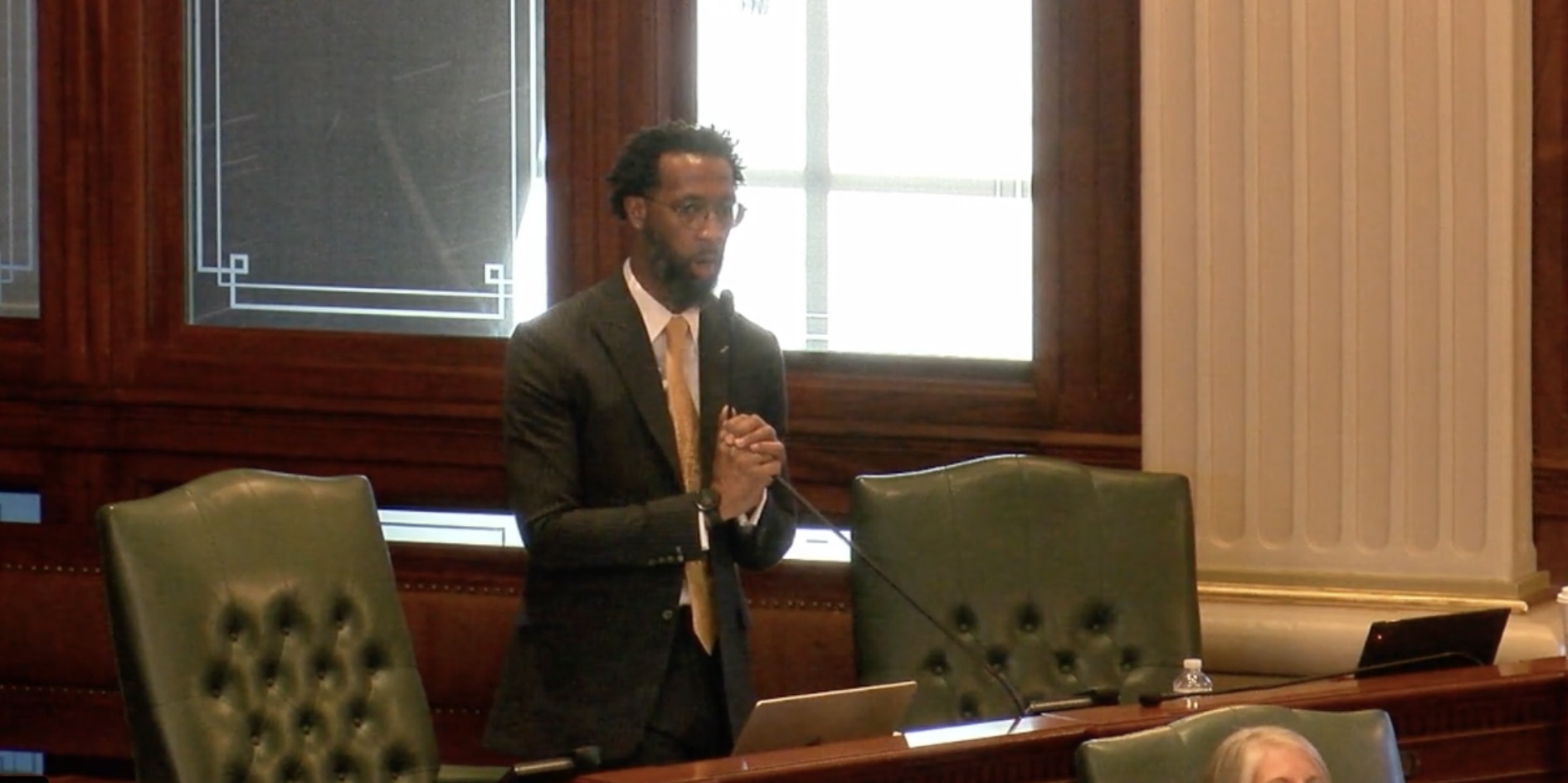
The Illinois House of Representatives advanced a measure Wednesday that would align the state’s property tax sale law with a U.S. Supreme Court decision.
In the 2023 Tyler v. Hennepin County decision, the court ruled that a local unit of government cannot seize a property over unpaid taxes and keep the excess value of the home. The case involved a Minnesota woman, Geraldine Tyler, who sued Hennepin County after her $40,000 condominium was sold over $15,000 in tax debt, with the county keeping the remaining $25,000.
The court ruled that the system was illegal and that the remaining $25,000 should be returned to Tyler.
States across the country have updated their systems to comply with the court’s decision, with Illinois as the last state that still needs to do so. The General Assembly has passed legislation postponing any planned tax sales until they agree on a bill that would put the state in compliance.
Rep. Curtis Tarver (D-Chicago) introduced a measure — House Bill 799 — that aims to do just that, though he says the measure still needs some work before it’s ready for the governor’s signature.
He said this version of the bill would allow judicial auction to sell the property, which he said is intended to better establish “fair market value” for the home.
When a home is sold to recover property taxes under the measure, the county would only be able to keep the amount of the property tax debt and some fees, such as court filing fees and title search costs.
Counties could also recover costs related to maintenance of the property through the tax sale. The definition of maintenance in the bill includes securing points of entry, removal of garbage, basic exterior upkeep such as mowing, boarding or similar protective measures, abatement of hazardous conditions and “actions strictly necessary to comply with applicable municipal health and safety requirements.”
The measure explicitly prohibits the county from recovering maintenance costs outside of those listed in the bill. It also includes 24 other prohibitions on costs that counties could seek to recover, such as registry fees, portfolio management charges or staff salaries.
After the amount of the property tax debt and any allowable fees or maintenance costs are removed, the remaining money from the home sale would be returned to the homeowner, as required by Tyler v. Hennepin County.
Tarver said his intention was to get the measure over to the Senate and continue conversations, with the bill ultimately being amended and returned to the House.
“The post-Tyler to now is a significant issue,” he said. “There's significant liability out there as well. This is what I will call a test case to see if all the children, and I include myself in this, in a room can figure out how to play together.”
The measure also includes a pilot program that would allow Cook County to acquire a maximum amount of 200 homes and keep them under county control for up to a year, allowing the homeowner time to repay their debt and keep their home. If they are unable to do so, the home would then be given up for judicial auction.
Tarver said the pilot was included at the request of the county. It would begin July 1, 2026 and end July 1, 2030. The county would then submit a report to the General Assembly on the program, including how many residents were able to recover their homes.
Tarver said if other counties are interested in participating, he is open to adding them to the bill, as well.
Rep. Rita Mayfield (D-Waukegan) protested the use of a judicial auction to determine fair market value of a home, saying that the highest price a bidder is willing to pay in the auction does not necessarily equate to the price a seller would receive if they were selling the house on the housing market.
She also said that a judicial auction can create more fees that would decrease the amount of money that homeowners receive. She suggested that the state could instead utilize the established sheriff sale process that is already used for foreclosed properties.
Tarver argued his bill is very specific about what fees counties can recoup.
Mayfield asked that the measure be held so that it could be amended in the House before being sent to the Senate, saying she and other members had not seen the bill until a Democratic caucus Tuesday.
“I think that is problematic,” she said. “We are taxing our residents out of their homes. I've been to these tax sales, and I have seen senior after senior lose their home for pennies on the dollar. We have an opportunity to help them to really establish that equity and make sure that money goes back into either their hands or their family members' hands.”
Tarver said this measure was the result of stakeholder conversations, which would continue in the Senate.
The measure was approved by the House 72-39 and now goes to the Senate.


Trending


