


-
AUG 05, 2026

UNLOCKEDPritzker signs regulations for homeowners, auto insurance into law
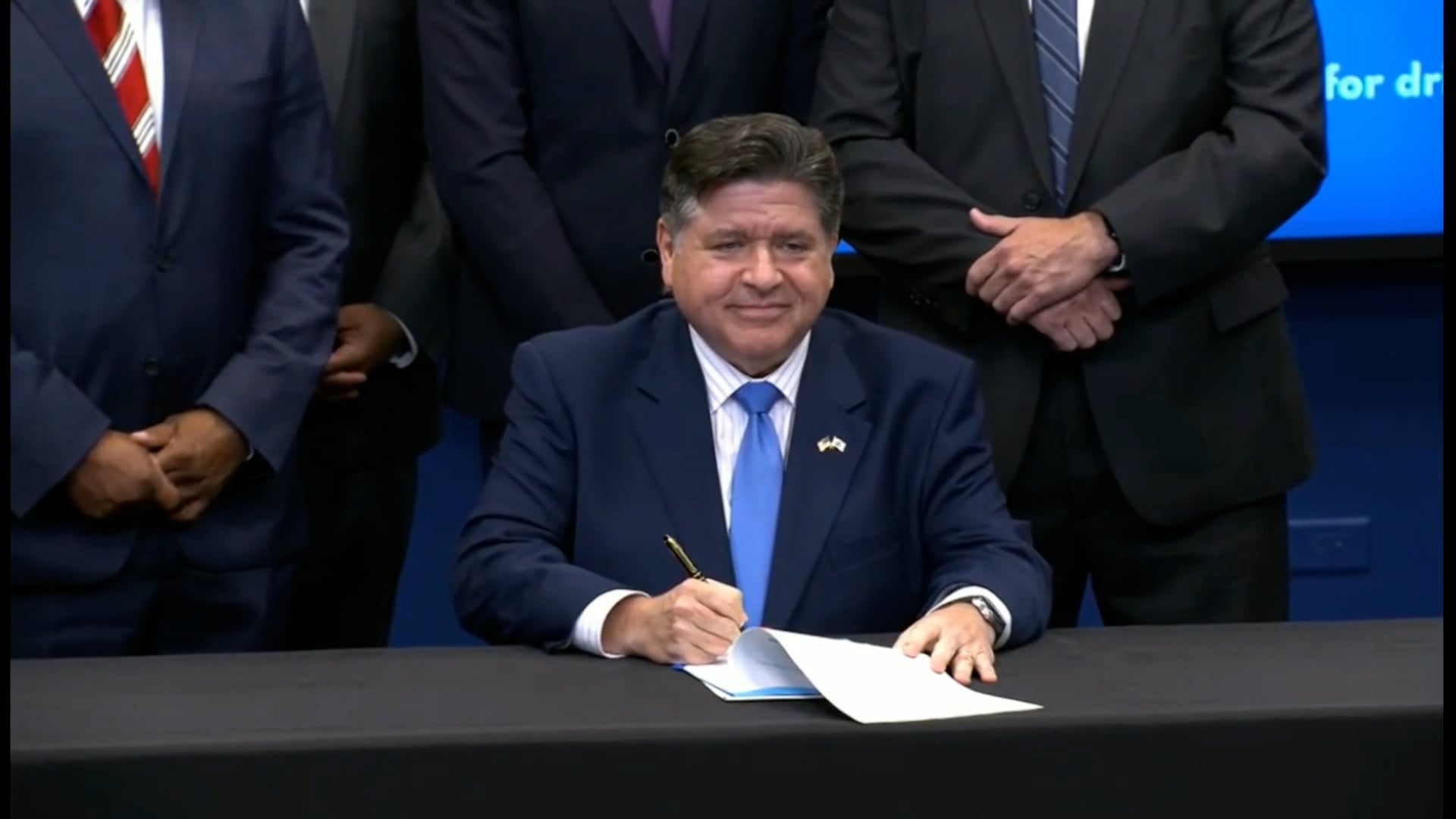
Gov. JB Pritzker signed a duo of bills this week establishing a process for the state to review alleged excessive or discriminatory homeowners and auto insurance increases.
Senate Bill 714 and House Bill 4273, which regulate auto and homeowners insurance respectively, require insurance agencies to provide a notice for any rate increases over 10 percent. That notice would need to be given 60 days prior to the increase for homeowners insurance and 30 days for auto.
The timelines in the bill differ because auto insurance policies are generally for six-month terms, instead of a full year.
The measures also create a determination and hearing process for IDOI to determine if an increase is “excessive, inadequate or unfairly discriminatory,” meaning that it “is an actuarially sound estimate” of the costs associated with the policy.
If the department finds a rate increase to be excessive or discriminatory and objects to it, the company would be able to request a hearing.
“It's not asking too much to say to insurance companies ‘if you're telling your customers that rate hikes are necessary, you should be able to prove why,’” Pritzker said.
The measure also prohibits cost-shifting, a practice where a company could increase rates in Illinois to offset losses in another state.
The discussions around implementing the regulations reached a peak in July 2025, when State Farm announced homeowners insurance rates in the state would increase by an average of 27 percent. Pritzker and legislative leaders were quick to criticize the Bloomington-based company and call for reform.
But that reform failed on the House floor during the fall veto session, with some Democratic members questioning why auto insurance wasn’t included.
Read more: Bill aimed at regulating ‘excessive’ insurance rates fails to pass Illinois House
State Farm decreased auto insurance rates, but some lawmakers — and Secretary of State Alexi Giannoulias — have long discussed the impacts things such as zip code, race or age have on the rate a person receives.
“The cost of mandatory auto insurance has become absolutely unsustainable, forcing impossible choices between paying for coverage and paying for life's basic necessities,” Giannoulias said. “That's not just a financial burden; it puts more uninsured drivers on the road and makes our roads and communities less safe.”
The bills were passed together during the spring session and go into effect Jan. 1.


