


-
SEP 10, 2026

UNLOCKEDNITA board to establish oversight structure during first meeting
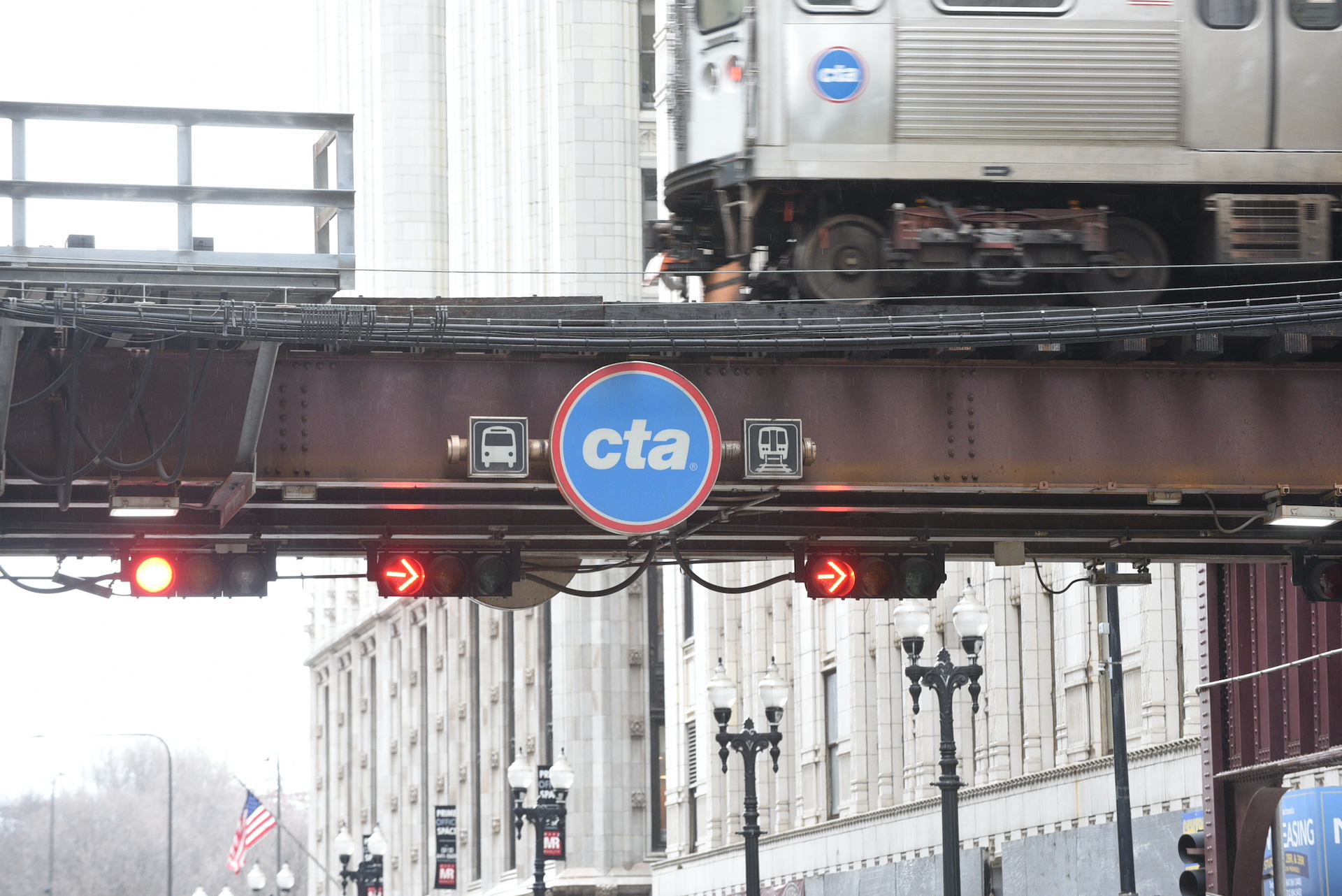
The new Northern Illinois Transit Authority (NITA) board of directors will hold their first meeting Thursday, establishing the groundwork for the new oversight agency for public transit in the Chicago area.
The newly appointed board took office Sept. 1 when the Regional Transportation Agency (RTA) officially transferred to NITA.
NITA will now oversee the Chicago Transit Agency (CTA), Metra and Pace, as well as paratransit in the region. The board will have expanded authority as lawmakers behind the reform bill that created NITA envision a more unified transit network in the Chicago area.
The board has 20 total members — five appointed by the governor, five by the mayor of Chicago, five by the Cook County president and one appointed by each of the five collar counties. Seventeen members will serve dual appointments on one of the three service boards.
Read more: Pritzker announces NITA board appointments ahead of September meeting
The first meeting will feature procedural votes as the new board establishes its governance structure.
The board will vote on two appointments: the board’s chair and an interim executive director. RTA Executive Director Leanne Redden announced her retirement with the RTA’s transition to NITA Sept. 2. Redden had been with the RTA since 2005 and had served as executive director since 2014.
The board will also hear an update from Chief Transition Officer Maulik Vaishnav, who will give a presentation on the NITA Act and approaching deadlines. The NITA Act lays out a multiyear timeline for the transition, which began June 1 when the act went into effect and will continue through 2030.
Members will also vote on the level of oversight they want to maintain over the three service boards.
While the RTA had some oversight authority, the service agencies were largely in control of formulating their own budgets, planning service schedules and delivering service. The NITA board has more leeway to choose how much authority they have.
Members will be presented with three “decision-making pathways.” The first would see NITA take over all planning functions including setting service standards, creating budgets, determining fare structure and developing safety strategies. The three service agencies would just be tasked with delivering service. The board would be required to still consult with the agencies but would have the final say.
The second option would see NITA set a framework for agencies to follow and allow the agencies to form their own proposals for the various planning functions. But the NITA board would still make the final decision.
The final option would more closely match the existing structure, with the service agencies maintaining planning authority with NITA oversight.
The board will also form committees and will discuss board bylaws.
Members will also hear a presentation on what locations will be included in the People Over Parking Act (POPA), which was included in the NITA Act. Under POPA, municipalities will no longer be able to set minimum parking requirements for new housing developments located near transit stations and high frequency bus routes.
The act will prohibit the requirements for developments located one-half mile from a Public Transportation Hub or one-eighth of a mile from a Public Transportation Corridor. A map of these locations will be presented.
The board will also vote on an ordinance establishing a Board Committee on Governance and Bylaws.
Members will also vote on an ordinance that would establish regional fares for the six counties in NITA’s region, expand the existing Access Pilot from Metra to CTA and Pace fixed-route transit and create a Student Fare Pilot offering a reduced fare to students taking CTA and Pace.
The ordinance will not affect current fares on CTA, Metra or Pace. The amended 2026 budget includes funding for the two pilot programs, which will be considered for permanent programming as part of the 2027 budget discussions.
Finally, the board will approve a search process for a permanent executive director.
The board will meet at 9 a.m. on the 16th floor of 175 W. Jackson Blvd. in Chicago. The meeting will also be streamed on the board’s website.


