


-
OCT 21, 2025

UNLOCKEDIllinois takes steps to lower SNAP error rate to avoid $800 million penalty
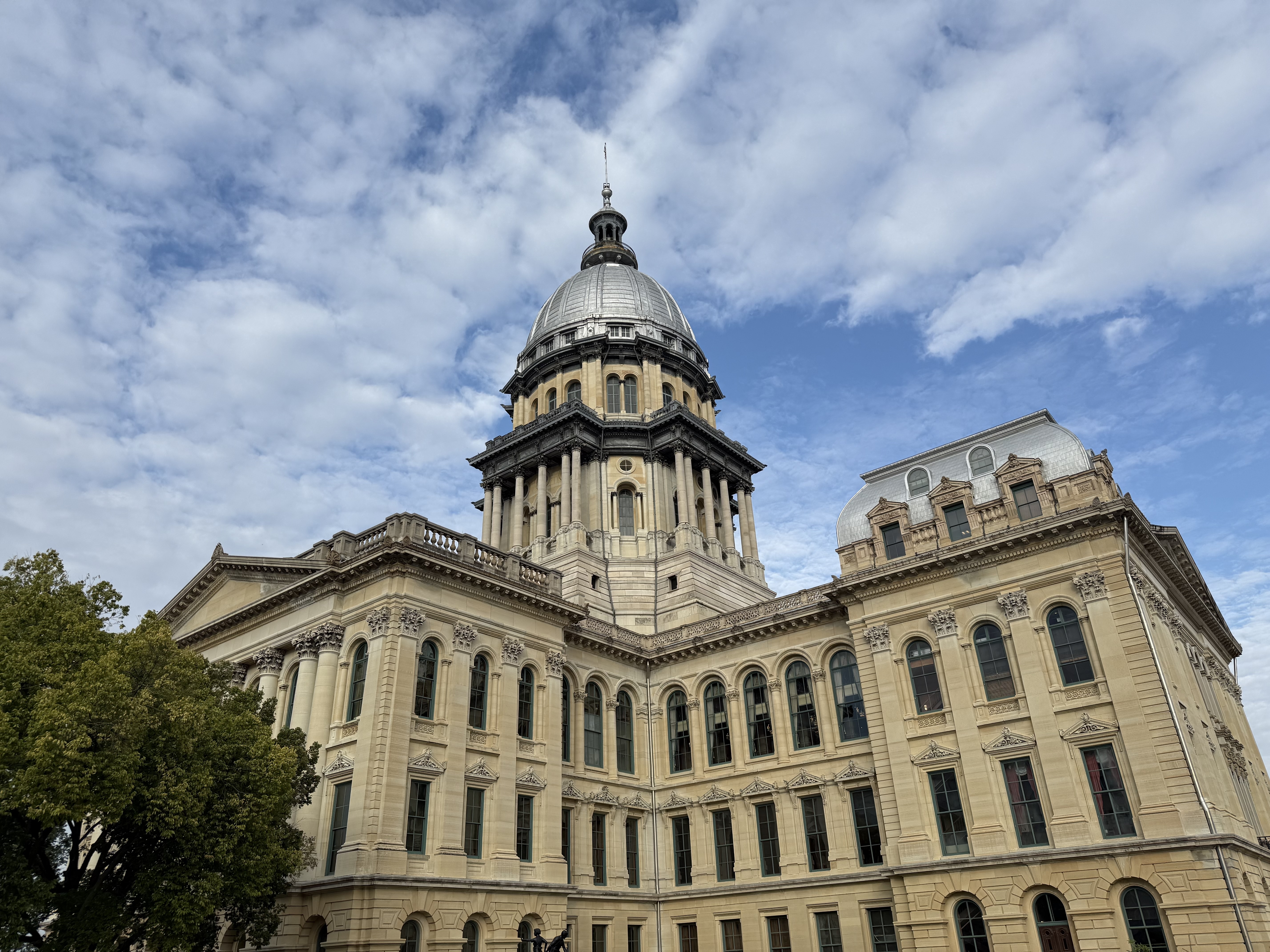
With changes to the Supplemental Nutrition Assistance Program (SNAP) potentially costing Illinois as much as $800 million in 2027, the state is taking steps to lower that price tag.
The Illinois House Appropriations-Health and Human Services Committee met last week to discuss the July 4 federal budget reconciliation bill, which is expected to add millions to the state budget.
States will begin paying a larger portion of administrative costs Oct. 1, 2026. Kate Maeher, CEO of the Greater Chicago Food Depository and co-chair of the Illinois Commission to End Hunger, said this will amount to an additional $80 million annually.
States with an interest rate above six percent will be required to pay a portion of benefits beginning Oct. 1, 2027. For Illinois, Maeher said, this could amount to $800 million annually.
Illinois’s error rate for Fiscal Year 2024 was 11.56 percent, according to the U.S. Department of Agriculture. Only eight states had error rates below six percent.
The measure also expands work requirements, which will now include adults ages 55-65 and parents with kids ages 14-18, who were previously exempt. Those provisions are expected to go into effect in December.
“We know two things. First, most SNAP recipients who can work do work. And second, work requirements simply don't work,” Maeher said. “Making working people jump through additional hoops only makes it harder for them to secure the food that they need.”
The Illinois Department of Human Services (IDHS) anticipates that as many as 450,000 Illinoisans could lose benefits, beginning in March 2026.
Terry Prince, director of the Illinois Department of Veterans’ Affairs, said approximately 23,000 veterans could lose benefits.
Beginning Dec. 1, new rules will require a five-year waiting period for some legal residents to apply for SNAP benefits. As many as 16,000 immigrants in Illinois could lose benefits, according to IDHS.
IDHS Sec. Dulce Quintero said there will also be additional costs in the Fiscal Year 2027 state budget from changes to Medicaid, straining what is already expected to be a tight budget.
The Governor’s Office on Budget and Management released a report earlier this month forecasting a $267 million shortfall in the Fiscal Year 2026 budget and a $2.2 billion deficit in the FY27 budget. That deficit is expected to continue to grow annually.
Quintero said client errors make up approximately two-thirds of SNAP errors. An example they gave was a client saying their rent was $570, but a review finding that their rent was $500 and the additional $70 being from utilities.
They said approximately one-third of errors are agency errors, such as an employee making a typo or inputting the wrong data.
Quintero said intentional violations make up less than one-tenth of one percent.
Quintero said they met with leaders in Idaho, which has the lowest SNAP error rate, and found that Illinois is already employing the same strategies. They said the biggest difference is population, with Illinois’ error rate aligning with other states with high populations.
“Small states like Wyoming have case workers who know every client they see personally,” they said. “Small states like Vermont have enough case workers to pre-review every case before certifying it. Illinois and other large states would need thousands more caseworkers to do what a small state can do.”
Quintero said HHS is taking steps to decrease the error rate. That includes contracting with an outside entity to verify applicant data in a timelier manner, increasing caseworker staffing and training, tightening documentation requirements and increasing in-person interviews.
The state will also utilize a six-month redetermination process again, changing from the current 12-month cycle.
Quintero said the department has also contacted the federal government about November benefits, which states have been informed will be impacted by the government shutdown.
Leslie Cully, director of family and community services at IDHS, said the department is sending information on the upcoming changes to SNAP recipients. She said they’re also planning a text messaging campaign to share information.
Cully said they also held a training session with community partners across the state who will help share information with people experiencing homelessness.
Rep. Jason Bunting (R-Watseka) questioned why Illinois’ error rate jumped from 5.72 in 2017 to its current rate.
Cully said some of the criteria to evaluate error rates have changed. She said the biggest impact has been the pandemic, when many of the certification requirements were waived due to the large number of new applicants. She said this has meant they’re still finding errors that weren’t previously caught.
Bunting said lawmakers cannot “legislate integrity” and said there were certainly steps the state needs to take to lower the error rate.
“We need to fix these issues, but the family that needs these benefits the most, we need to fight and do everything that we can to help them,” he said. “And we need to weed out the families that are quite possibly for lack of better terms, as I said, before, gaming the system.”


