


-
When a hailstorm tears through an Illinois neighborhood, most homeowners are not thinking about politics or policy debates. They are thinking about whether their roof will be repaired, whether their claim will be paid fairly, and whether they will still be able to afford coverage next year.
That moment is where insurance policy matters most. Yet the debate over HB 3799 has unfolded in a political season. In an election year, many of the lawmakers backing the bill are running for reelection and eager to signal concern about affordability. That political urgency risks driving policies that sound helpful but could leave consumers with fewer choices and higher costs.
In recent weeks, HB 3799 has been framed as a consumer protection measure. But a closer look shows it does not solve the problem, and it could make it worse.
Start with what Illinois already does. Insurance companies cannot raise rates on a whim. They must file rates with the Illinois Department of Insurance and support them with data showing expected losses and costs. Regulators can review filings and ask questions or raise objections. Illinois is not operating without oversight.
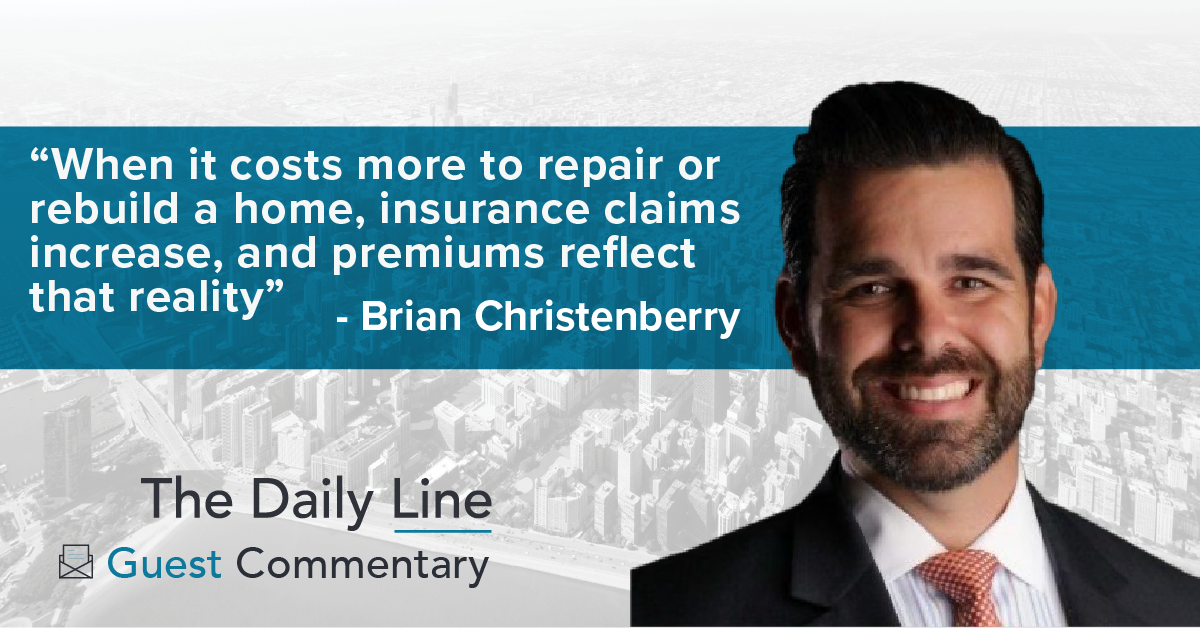
The real reason homeowners insurance costs have risen is not a lack of accountability. It is the rising cost of claims. The price of lumber, roofing materials, and skilled labor has increased sharply. When it costs more to repair or rebuild a home, insurance claims increase, and premiums reflect that reality. No amount of paperwork can change the cost of shingles, labor, or weather damage.
Consumers being told help is on the way should understand that the risks begin long before any promised relief. Those risks center on competition. Illinois has one of the most competitive homeowners insurance markets in the country, with more than 200 companies offering coverage. That competition gives homeowners options at renewal, the ability to shop for better prices, and protection from being locked into a single take it or leave it offer.
HB 3799 threatens that balance by adding uncertainty and delay to the rate review process. While that may sound technical, the impact is simple. Insurance works best when companies can price risk accurately and get timely, predictable decisions from regulators. When rules become uncertain, insurers respond cautiously. They price more conservatively, limit offerings, or pull back from the market altogether. That happens quietly, but the result is fewer choices and higher costs for homeowners.
This is not hypothetical. States that have adopted more restrictive insurance regulation have seen insurers pull back, leaving homeowners scrambling to find coverage. Illinois should learn from those examples, not repeat them. Independent analysis shows that policies like HB 3799 could raise homeowners insurance premiums by about 20 percent over time.
There is also no need to rush this legislation. A version of this idea was voted down during veto session in November. Lawmakers should slow down and work through a deliberate process with consumers, regulators, and insurers at the table. Illinois families deserve solutions built on evidence and real-world outcomes, not a bill pushed forward on a political timetable.
If lawmakers truly want to help homeowners, we aligned that goal. There is a common interest in maintaining an accessible and affordable insurance market that eases the overall cost of insurance for Illinoisans. That means focusing on what families actually need: more choices, stable coverage, and premiums that reflect lower risk over time. Encouraging stronger building standards, supporting storm-resistant construction, and reducing fraud can lower claims and stabilize costs. By contrast, HB 3799 risks undermining competition in ways that can raise costs for homeowners and create broader market pressure that affects other coverage, including auto insurance. Protecting consumers means protecting competition and addressing the real drivers of cost, not adding uncertainty to a system that still works.



Trending


