


-
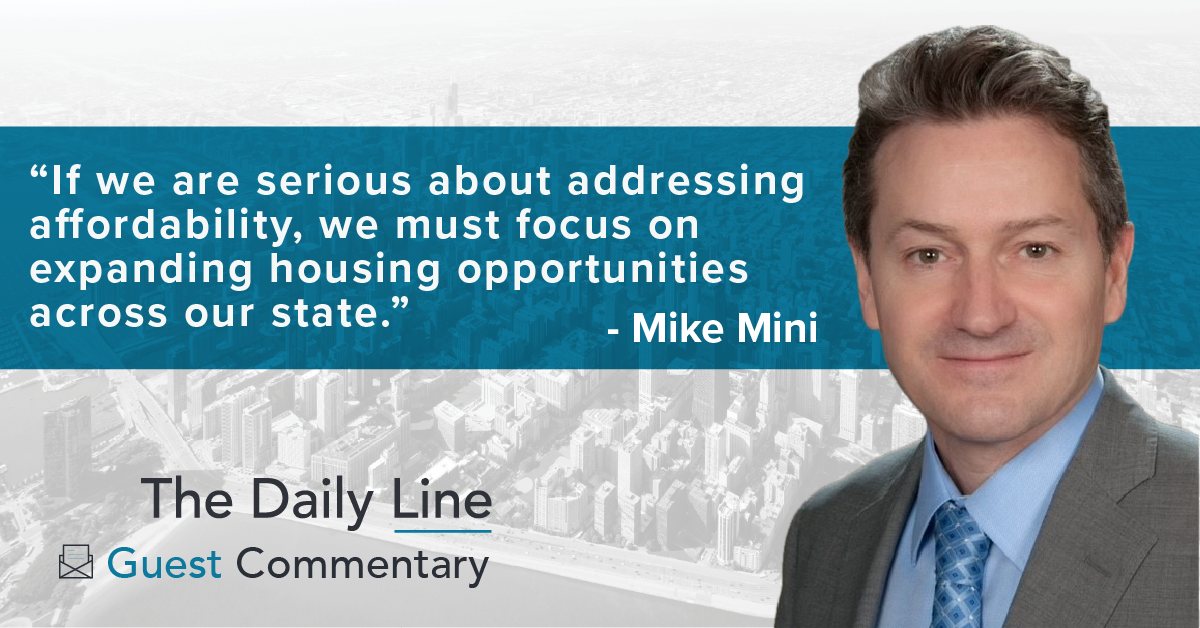
As multifamily housing providers across Illinois, we see the state’s affordability challenges firsthand. The supply of housing — both affordable and market-rate — has failed to keep pace with strong demand, which continues to rise as the gap widens. If we are serious about addressing affordability, we must focus on expanding housing opportunities across our state. Governor JB Pritzker’s Building Up Illinois Developments (BUILD Illinois) proposal takes meaningful steps to address those structural challenges.
There is an urgent need for more housing in Chicago and throughout Illinois. Research consistently shows that when supply falls behind demand, prices increase. A 2024 state-convened housing task force concluded that Illinois faces a shortage of housing for middle-income households and must take a coordinated, multi-pronged approach to expand production. National experience further underscores why this approach matters. States and cities that have focused on expanding housing supply, including reforms to zoning and permitting, have seen more sustainable housing growth and affordable rent compared to jurisdictions that rely primarily on price controls or regulatory caps.
Restrictive zoning, lengthy permitting processes, and rising development costs have all been identified as major barriers. For too long, outdated zoning rules and bureaucratic hurdles have limited the types of housing that can be built in many communities. At the same time, unpredictable approval timelines and high infrastructure costs can stall projects before construction even begins. Loosening unnecessary restrictions, streamlining the development process, and investing in infrastructure are essential steps toward bringing much-needed housing inventory to the market. BUILD Illinois moves the conversation in that direction by modernizing zoning standards and establishing clearer timelines for permit reviews and inspections.
Increasing housing supply also has a ripple effect on the broader economy. New development creates construction jobs and supports local businesses. It attracts residents and employers who want to invest in communities with vibrant neighborhoods and diverse housing options. Just as importantly, BUILD Illinois reflects a partnership approach — one that seeks cooperation rather than conflict. A forward-thinking housing policy recognizes that the public and private sectors must work together to address affordability challenges. When the focus shifts toward finding ways to say “yes” to responsible development — instead of layering on additional costs and restrictions — we create momentum for progress.
Illinois cannot regulate its way out of a supply shortage. Policies that increase taxes, fees or regulatory uncertainty ultimately raise housing costs and discourage investment. By contrast, a strategy centered on expanding supply helps stabilize markets and increases access to housing.
Governor Pritzker’s BUILD Illinois proposal demonstrates a willingness to prioritize progress and address the systemic barriers that have constrained housing production. By embracing a proactive approach to expanding supply, Illinois can attract investment, strengthen neighborhoods, and create more attainable housing opportunities across our communities.
Multifamily housing providers are prepared to be part of the solution. We build and operate housing that supports local economies, strengthens neighborhoods, and serves residents at every stage of life. But expanding access to housing requires a policy environment that allows projects to move forward efficiently and predictably. If we want housing to be more affordable, we must make it easier to build. And that begins with policies that encourage development, streamline processes, and send a clear message that Illinois is ready to say “yes” to growth.
If we want housing to be more affordable, we must make it possible to build more of it.
Michael Mini, executive vice president, Chicagoland Apartment Association


Trending


