


-
MAY 13, 2026

UNLOCKEDWorkforce development committee approves compromise measure to temporarily pause phase-out of tipped wage, allow longer phase-out for small businesses
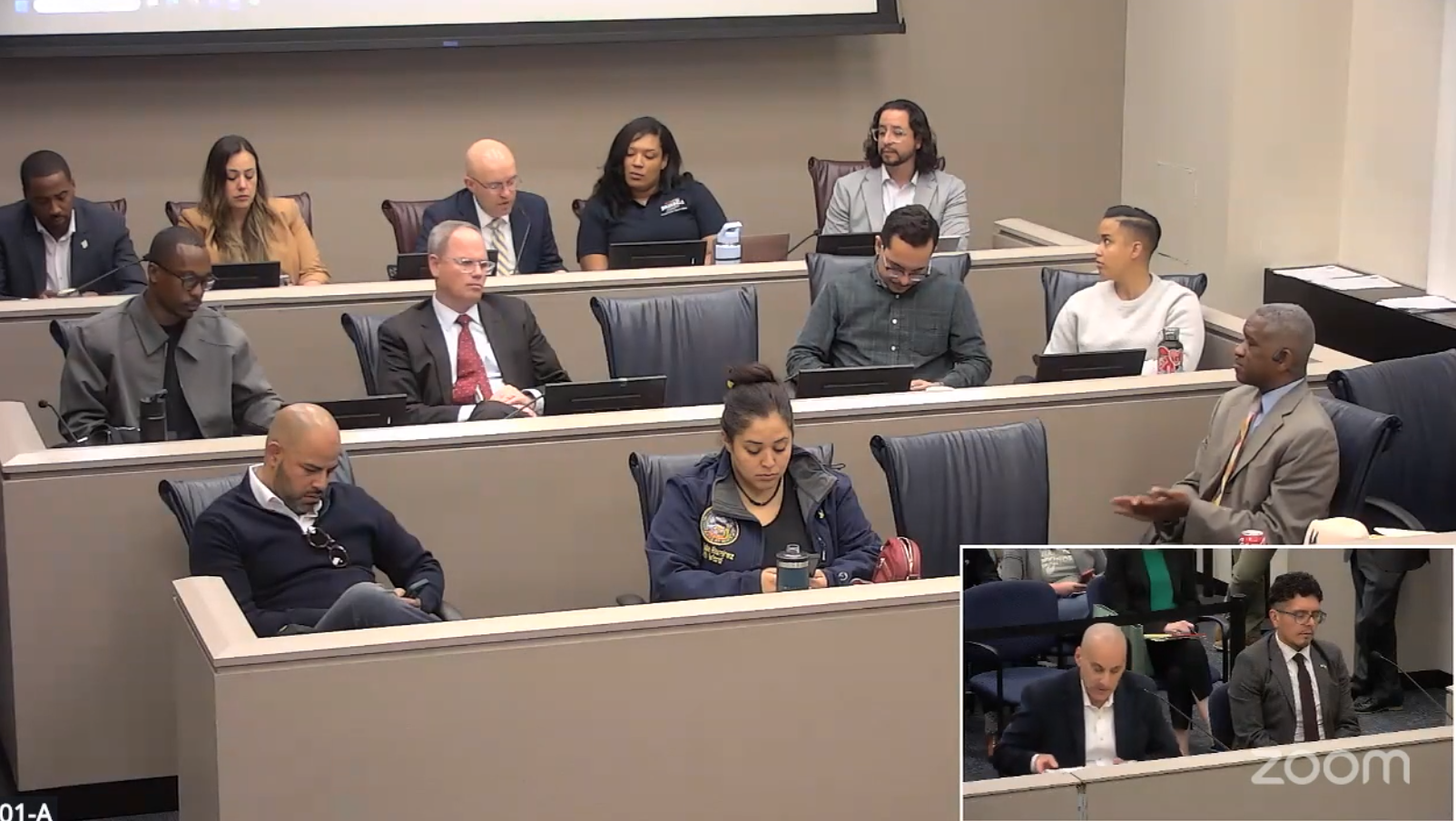
The Committee on Workforce Development hears from the Illinois Restaurant Association on a proposed tipped wage phase-out freeze at a meeting on May 12, 2026. [Livestream]
Alderpeople advanced an ordinance out of the Committee on Workforce Development Tuesday freezing the city’s phase-out of the tipped wage for two years and allowing a more gradual phase-out for small businesses.
The measure represents a compromise between the state restaurant association and the group behind the One Fair Wage movement, which seeks to abolish the subminimum wage for tipped workers.
Under the One Fair Wage ordinance passed in 2023, the gap between the tipped wage and minimum wage, also known as a tip credit, will shrink by eight percent every July over a five-year period until it becomes equal to Chicago’s minimum wage in 2028. That phased-in process began in 2024. The city’s current tipped wage is $12.62 an hour, or 76 percent of the $16.60 an hour minimum wage.
The ordinance (SO2026-0024043) passed by the committee pauses the phase-out for two years for businesses with at least 21 employees and resumes the eight-percent reduction in the tip credit from 2028 to 2030.
But it also grants a longer implementation period to businesses that have between 3-20 employees. Small businesses would have their tip credit frozen until July 1, 2030, at which point it would shrink annually until it equals the minimum wage in 2033.
The unanimous approval in committee came nearly a month after the City Council failed to override Mayor Brandon Johnson’s veto of a March ordinance that would have indefinitely frozen the annual phase-out of the tipped wage.
Related: Council fails to override mayor veto of One Fair Wage freeze
Ald. Walter “Red” Burnett (27), the ordinance’s sponsor, said his legislation went through many iterations over the last month after the veto was upheld and that the compromise between the Illinois Restaurant Association and One Fair Wage was the result of extensive negotiations.
“This is a really broad coalition of folks who are trying to come to a solution to make sure that we're supporting both the industry in total and workers — making sure that workers get their fair share and making sure that they have a job, [as well as] making sure that this industry, which is so vital to Chicago, continues to be one of our strong points,” Burnett said.
In a statement, the mayor’s office said Johnson welcomed the compromise.
“By vetoing legislation to repeal the phase-out of the subminimum wage, the mayor inspired all sides of this issue to come together around a compromise that preserves the phase-out and the security it has brought tipped workers while addressing legitimate industry concerns around the immediate impact of global instability on business costs,” the mayor’s office said.
Advocates for eliminating the tipped wage argue the tipped wage makes workers rely on a volatile income and forces workers to endure harassment from customers to avoid losing out on their pay.
But some in industries with large numbers of tipped workers, such as the restaurant association, said the recent annual reductions in that ratio have been a cost burden and caused some closures.
They have also argued against claims that workers make less on the tipped wage, since the law requires employers to make up the difference if a tipped worker’s income does not equal what the minimum wage would pay.
One Fair Wage advocates say that though workers are entitled to the equivalent of the minimum wage under the law, it’s a hard provision to enforce and thus enables wage theft.
Both sides of the compromise said they could live with the new legislation even if they weren’t fully satisfied.
“This substitute ordinance is not the ideal outcome for our industry, but is more workable and less harmful than [allowing] the current phase-out to continue,” Sam Toia, president and CEO of the state restaurant association “It gives the industry more time to adjust and better manage increased labor costs.”
“If we are going to agree to this substitute, which we said we can live with, this has to be the end of the conversation,” said Saru Jayaraman, president and co-founder of One Fair Wage. “We should not have to continuously relitigate something that the city has already agreed is the right thing to do.”
But Toia indicated that the fight may simply be on hold.
“To be clear, we do not support the elimination of tip credit,” Toia said. “We believe the tip credit is an important part of our industry compensation model and one that benefits many tipped employees.”
Ald. Jessie Fuentes (26), who sponsored the One Fair Wage ordinance, said that while she supported the compromise, it shouldn’t mean the city is no longer planning to eliminate the tipped wage.
“I don't know if workers are going to read the news this evening and be happy, but I do know that we are committed to phasing out the subminimum wage,” Fuentes said.
The ordinance will head to the City Council next week. Even if the tip credit is frozen at 76 percent of the minimum wage, the tipped wage would still increase annually as the minimum wage rises with inflation.


Trending


