


-
JUL 28, 2025

UNLOCKEDIllinois leaders, advocacy groups call for action as energy prices skyrocket
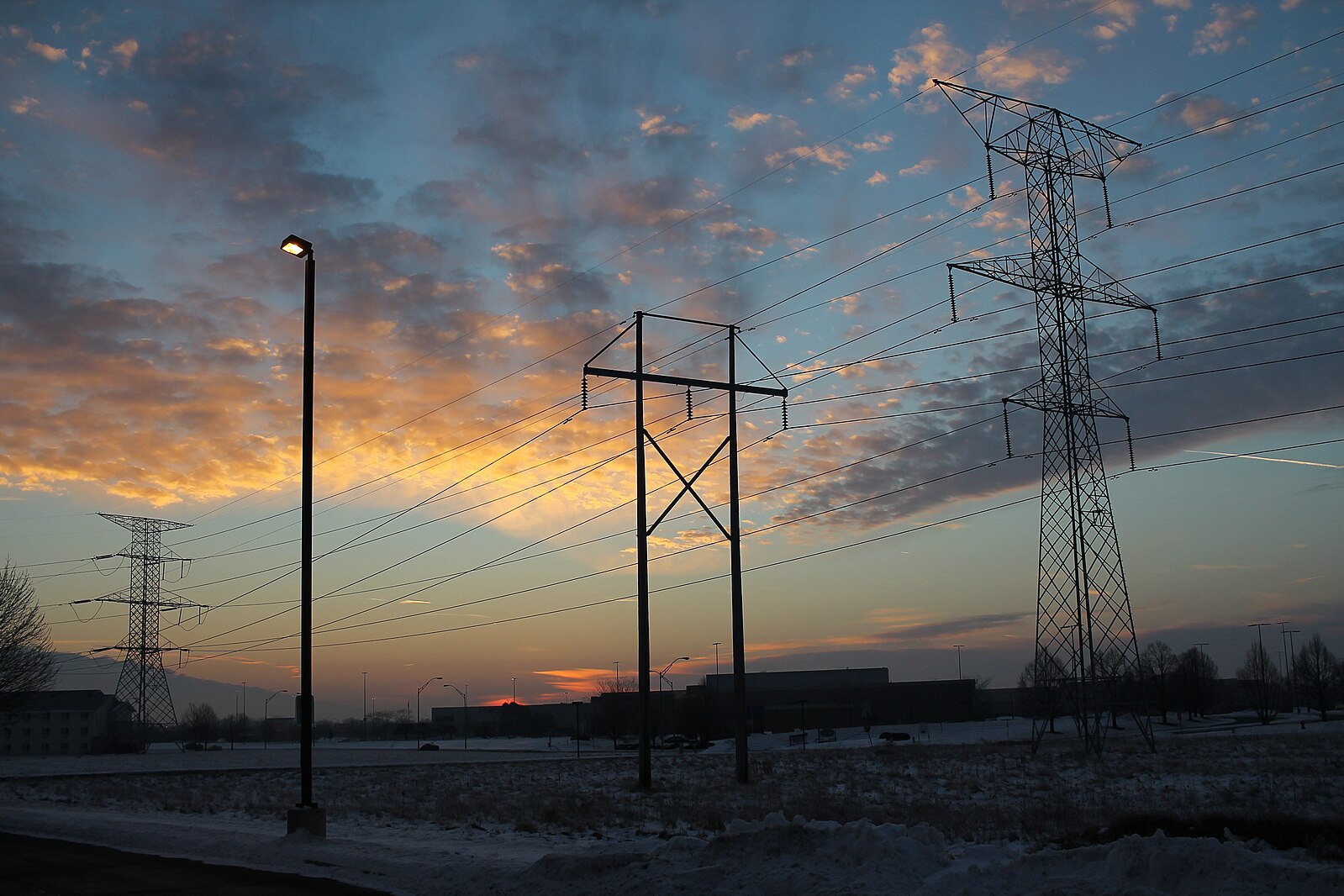
With electricity prices rising for customers across Illinois, lawmakers and advocacy groups are calling for action to lower costs.
Many ComEd customers received a shock this week upon opening their bill and seeing the effects of the June 2025 rate increase. Some customers reported triple digit increases in their electric bill, with an average monthly increase at $67, according to ComEd.
The electric company serves most of Northern Illinois. Summer spikes in electric bills are common, with people running their air conditioners and fans to beat the summer heat, but this year’s steep spike goes beyond summer weather.
The driving factor behind energy increases is high demand, from households, businesses and, most recently, an influx of data centers.
Illinois isn’t alone in this; energy prices have been rising above the rate of inflation in most states since 2022. That’s expected to continue through 2026, according to the U.S. Energy Information System.
In Northern Illinois, customers are now seeing the effects of last year’s PJM Interconnection auction.
PJM is the grid operator for most of Northern Illinois, delivering wholesale electricity that is then sold to the individual customer. Last year’s auction increased from $2.2 billion in 2023 to $14.7 billion.
The price jump received criticism, including from Gov. JB Pritzker, who released a letter along with three other governors urging them to take action to address the rising costs. PJM serves all or part of 13 states and the District of Columbia.
But consumers aren’t on track to get relief anytime soon. PJM’s 2025 auction, completed last week, increased to $16.1 billion.
This announcement came after Pritzker and a bipartisan coalition of governors sent a letter to PJM urging them to make reforms they say would meet the “energy affordability crisis.” Those suggested reforms included the appointment of members nominated by the states to the two open PJM board seats, the establishment of a transparent nomination process and the dedication of two board seats to be collectively nominated by the states.
Speaking at an unrelated press conference Wednesday, Pritzker said the rising auction costs can be attributed to PJM not adding new generation at a quick enough rate to meet demand.
“It's the fact that PJM isn't bringing on the generation that it should in the territory,” he said. “I am deeply concerned about why that is because it seems to me that it should have happened already. They are pledging to do it but haven't done it yet.”
He also blamed the Trump administration’s decision to cancel environmental grants that would have funded clean energy projects.
The Citizen’s Utility Board, a nonprofit energy watchdog, also agreed with Pritzker’s statement.
“The power grid operator’s policy decisions too often favor outdated, expensive power plants and needlessly block low-cost clean energy resources and battery projects from connecting to the grid and bringing down prices,” said Executive Director Sarah Moskowitz. “This extended price spike was preventable.”
She went on to push for the Clean and Reliable Grid Affordability Act, a piece of state legislation that would have established a battery storage incentive program, required energy efficiency programs and would have lifted Illinois’ longstanding moratorium on constructing new nuclear plants.
More than half of Illinois’ energy comes from nuclear power plants. While Pritzker said Wednesday that building a new plant would not solve the state’s energy woes, especially because construction would take more than five years, he supports lifting the moratorium to allow new construction.
“I am in favor of us lifting the nuclear moratorium, and have been all along,” he said. “I've been its greatest ally, trying to get that done. We have to do it in a safe fashion.”
Negotiations over the bill continued until the end of session, but lawmakers failed to pass the bill before June 1. The issue is likely to come up in the fall veto session or be rehashed during the spring legislative session.
Read more: Stakeholders look to fall veto session as energy omnibus is again punted by Illinois lawmakers
Following the news of rising prices, Illinois Republicans again called for the Climate Equitable Jobs Act (CEJA) to be repealed. CEJA established the process by which Illinois will phase out carbon emissions completely by 2050.
Rep. Brad Halbrook (R-Shelbyville) called on Democratic leaders to schedule a joint hearing of the House Energy and Environment Committee and the Senate Energy and Public Utilities Committees to discuss Illinois’ energy policy and the rising prices for Illinois consumers


