


Chicago News
-
OCT 22, 2020


 Businesses won’t have to renew expired licenses until at least Jan. 30 under an ordinance set for consideration by a City Council committee on Thursday.
Businesses will enjoy an extended forgiveness period for expired city licenses under a measure set for consideration Thursday, a small consolation as they brace for a long winter with no federal aid in sight. -
OCT 22, 2020
-
OCT 22, 2020
UNLOCKED Mayor Lori Lightfoot in her budget proposal plans to shift $55 million in costs to Chicago Public Schools (Photo credit: Stacey Rupolo/Chalkbeat)
In Mayor Lori Lightfoot’s efforts to close a $1.2 billion gap in the city budget, City Hall will shift more costs onto Chicago Public Schools.
In a budget plan detailed Wednesday, which includes a property tax hike and job cuts, the mayor proposed shifting about $55 million in costs onto schools. But she offered a sweetener: additional funds from a tax surplus account, which would ostensibly cover the costs for this year and then some. -
OCT 21, 2020
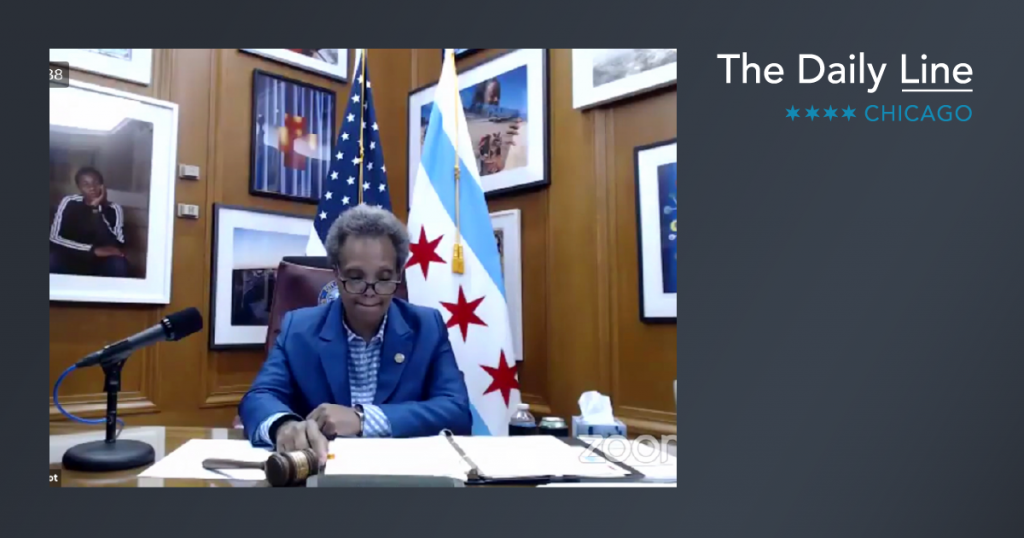 Mayor Lori Lightfoot Wednesday morning will detail plans for the 2021 budget.
Mayor Lori Lightfoot has been presented with a task analysts say no other mayor has ever faced in filling a $1.2 billion budget gap amid a pandemic, and the proposal she will present Wednesday is likely to be unpopular to many. -
OCT 21, 2020
UNLOCKEDGAPA coordinator Desmon Yancy and CPAC leader Tamer Abouzeid pitch their competing plans
A pair of coalitions pitching dueling plans for civilian-run police oversight councils faced a grilling from aldermen Tuesday on which proposal holds up better under legal and practical scrutiny, even as neither is likely to get a vote in its current form.
-
OCT 20, 2020
-
OCT 20, 2020
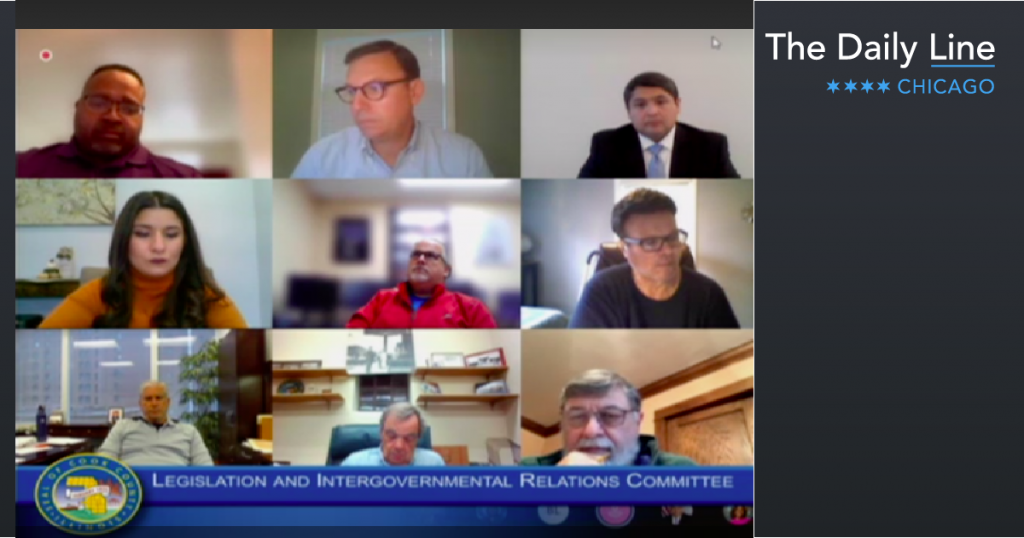 Cook County commissioners meet virtually to confirm Israel Rocha, Jr. (top right) as the next CEO of the Cook County Health system
Israel Rocha, Jr. promised Cook County commissioners on Monday he would leverage his nearly two decades of business, public policy and hospital administration experience to navigate the $3 billion Cook County Health system through the double-crisis of the COVID-19 pandemic and a persistent rise in hospital costs. -
OCT 20, 2020
UNLOCKEDChicago's top doctor Dr. Allison Arwady urged people to stop inviting people to their homes as COVID cases soar.
PROVIDEDChicago's averaging 508 new cases per day, a 45 percent increase from just one week ago, though testing has only increased 11 percent.
CHICAGO — Mayor Lori Lightfoot warned the city could bring back the restrictions of Phase 3 if the “second surge” of coronavirus doesn’t turn around.
The surge started this month and has quickly gained steam: Chicago’s averaging 508 new cases per day, a 50 percent increase from the start of October. The city’s positivity rate has also jumped to 5.4 percent; the week before, it was at 4.2 percent. -
OCT 19, 2020
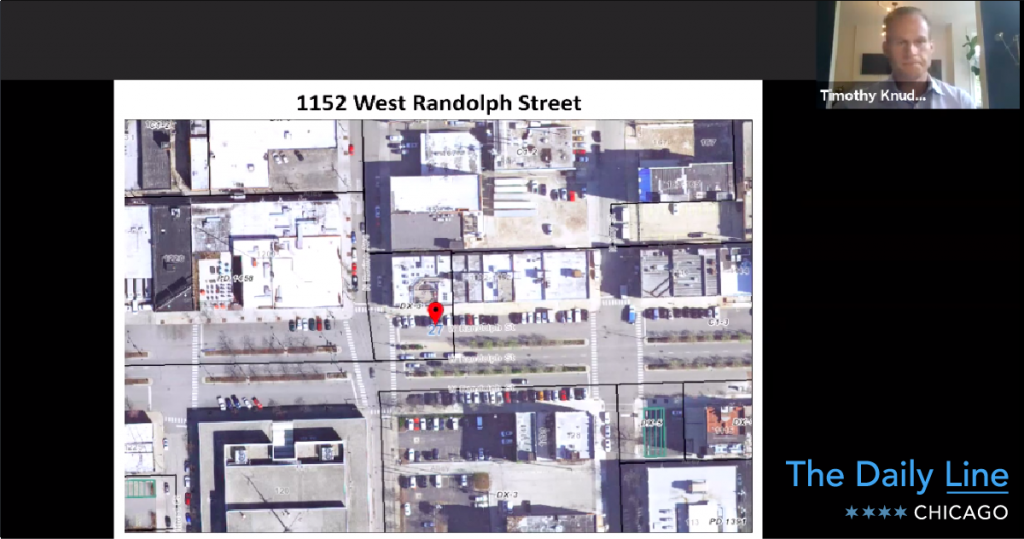 New Zoning Board of Appeals chair Timothy Knudsen considers a proposal by Dispensary 33 to open a pot shop at 1152 W. Randolph St.
The Chicago Zoning Board of Appeals on Friday gave its first-ever approval to a cannabis grow operation and endorsed a proposal for a new 6,600-square-foot dispensary in the Fulton Market district, setting off a race between two rival pot companies over who can score a license first from state regulators. -
OCT 19, 2020
UNLOCKEDA guide to who holds the power and purse strings when it comes to Chicago’s money.
By Grace Del Vecchio, Kelly Garcia, Corli Jay and F. Amanda Tugade, City Bureau
This story was originally published by City Bureau on October 16, 2020City Bureau presents a guide to who makes money move in the city's annual budget process.
What is Chicago’s annual budget process?
The budget process takes place from July to December with a new budget enacted on Jan. 1 of each year. Starting in July, city departments work with the Office of Budget and Management on their financial needs for the next year’s budget. By September, the mayor’s budget forecast is shared with City Council and the public.
In mid-October, the mayor must propose a budget to City Council which will then host lengthy hearings, including at least one public hearing (this year, it’s on Nov. 16) where Chicagoans can make public comment. Aldermen typically vote on a spending plan in November and by law they must pass a budget by Dec. 31.
What are the different parts of the budget?
When City Council votes on the annual budget, they are approving the spending plan for all six parts in the budget, also known as funds: corporate, enterprise, grant, special revenue, pension and debt service. The budget is not one big piggy bank; each fund allots dollars to specific services and programs in the city.
The corporate fund, or the general operating fund, makes up a bulk of the budget and supports a range of public safety, public health and city services. This includes the Chicago police and fire departments, trash and recycling pickups, and street repairs. The Chicago Police Board and the Civilian Office of Police Accountability also fall under this category. For larger, long-term capital improvement projects, like curb and gutter repairs, the city leans on its debt service funds, which includes general obligation and revenue bonds and loans.
With the enterprise funds, the city is able to operate, maintain and invest in capital projects for its water and sewer systems and two major airports, O’Hare and Midway. These funds are “self-supporting,” which means revenues come from charges and user fees. For example, residents and businesses pay for water service charges, and airlines fund the airports’ operations through landing fees and terminal rent.
The city has received grant funds from federal, state and local governments, as well as private organizations, to help support programs for youth, seniors, community development and many more. In 2020 projections, the city anticipated $1.76 billion in grant funds, which would’ve made up 14% of the total budget.
The best way to understand special revenue funds is to look more closely at certain taxes. Fees collected from vehicle stickers, impoundment or towing are another source of the city’s revenue. With vehicle stickers costing around $90, the city sought to earn $129 million in revenue this year from that tax alone. Residents also pay a $5 surcharge on their monthly cell phone bill to help fully fund the Office of Emergency Management and Communications (the city’s 911 service line).
Pension funds round out the rest of the budget and pay pensions for city workers such as police officers and firemen. These funds – which are divided into four separate pension accounts – include retirement, death and disability benefits for city employees and their beneficiaries.
How many aldermen need to vote ‘yes’ to pass the budget?
At least 26 must vote ‘yes’ to pass the budget. Last year, 11 of the 50 aldermen rejected Mayor Lightfoot’s $11.65 billion budget; six Democratic Socialist aldermen said they would vote no due to “an over-reliance on property taxes, an ‘overfunding’ of police and the new minimum wage that leaves out tipped workers, such as restaurant servers,” according to a WBEZ report. Their dissenting votes were considered bold since mayoral budgets often receive a “nearly unanimous” rubber stamp approval in City Council.
In 2012, reporter Mick Dumke wrote in the Chicago Reader that no more than three aldermen voted against a mayor’s budget proposal between 1990 to 2013. “The most opposition came in 1991, Daley's third year on the job, when 18 aldermen said no to the mayor's 1992 budget,” Dumke wrote.
How much power do the aldermen have compared with the mayor in the budget process?
In theory, Chicago’s City Council has a “weak mayor” since the aldermen have some legislative powers, including voting on the annual budget. In practice, City Council has historically operated with a “strong mayor” where the mayor acts like a chief executive officer, including exercising the right to veto. “Structure makes the mayor weak, politics make the mayor strong,” Larry Bennett, emeritus professor of political science at DePaul University, told City Bureau in 2019.
In recent years, aldermen have been widely criticized for not showing up to required meetings and hearings, including budget hearings. Back-to-back budget hearings are scheduled to “scrutinize each department’s budget” soon after the mayor reveals a budget plan on Oct. 21, taking place over a span of almost two weeks, before aldermen vote.
“Many aldermen believe the biggest problem in Chicago government is its deeply flawed budget process, in which the mayoral administration crafts and presents a budget that aldermen have a couple of weeks to look over before deciding whether to vote for it. Most aren’t able to study more than a few portions of it, even if they’re willing,” wrote Dumke in a 2009 Chicago Reader article.
How does Chicago’s one-year budget process compare to other cities which may have a multi-year process?
Chicago operates on an annual budget cycle, allocating money for one year. While this is common in other large American cities such as Philadelphia, New York City and Los Angeles, some cities such as Oakland and Richmond allocate money for a period of two years.
Biennial budgeting can provide a city with a greater, wider understanding of how debt, inflation, pensions and more will impact the city in the future and complement long-term strategic plans.
-
OCT 19, 2020
 Chicago Police officers displayed “incompetent” behavior in handling the response to finding former Chicago Police Supt. Eddie Johnson asleep in his car after consuming several alcoholic beverages last year, a report from Chicago Inspector General Joseph Ferguson shows.
Chicago Inspector General Joseph Ferguson described officers’ “incompetent” behavior after finding former Chicago Police Supt. Eddie Johnson asleep in his car last year after he consumed “the equivalent of approximately 10 alcoholic beverages,” according to a quarterly report released by the city watchdog on Friday.

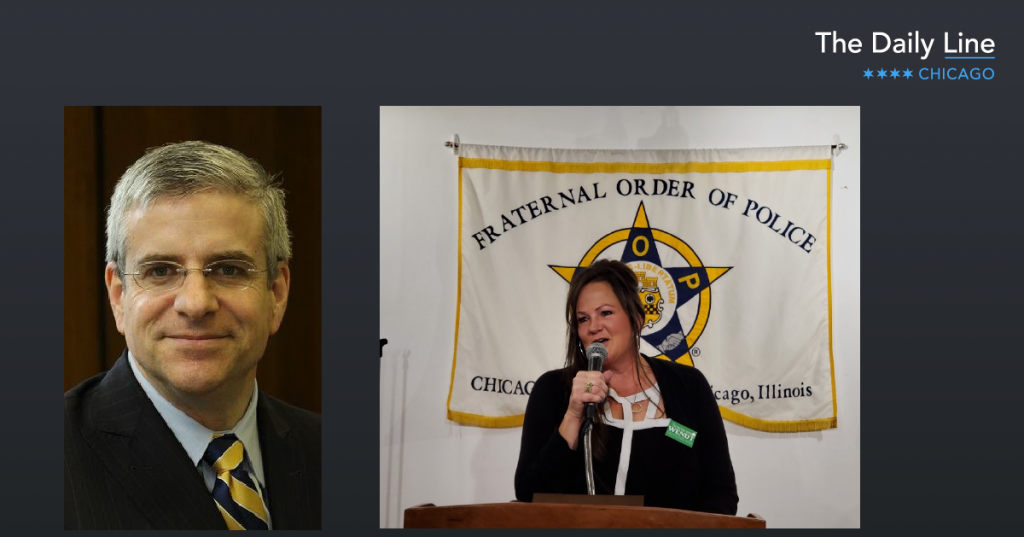 Cook County Board of Review Comm. Dan Patlak (R-1) and Democratic challenger Tammy Wendt

