


Chicago News
-
AUG 19, 2020


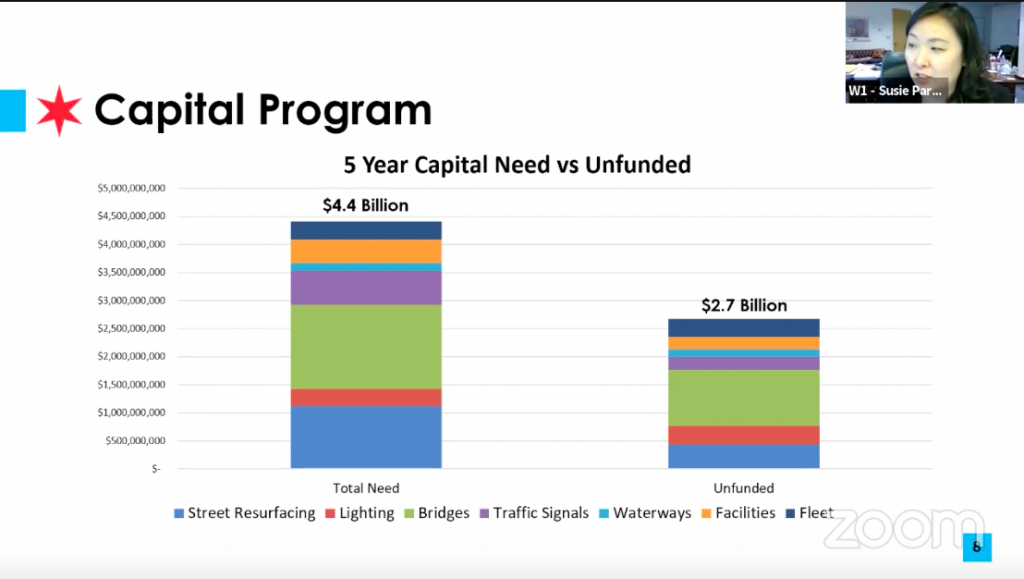 Budget Director Susie Park shows a breakdown of the $4.4 billion needed for maintenance of city infrastructure over the next five years, including $2.7 billion the city has not accounted for.
Chicago is billions of dollars short of the money needed to bring the city’s aging streets, water pipes, traffic lights and public buildings up to par with modern standards, leaders of multiple city agencies told aldermen on Tuesday. -
AUG 19, 2020

The indictments keep coming. Last week Senator Terry Link joined former State Rep. Luis Arroyo, former State Senator Martin Sandoval and Senator Tom Cullerton on the list of disgraced lawmakers charged with criminal wrongdoing in just the last year. The Speaker of the House Michael Madigan, identified in federal documents as “Public Official A,” appears to be at the epicenter of the federal investigation into political corruption in Illinois, and the U.S. Attorney for the Northern District of Illinois has assured us that his work is not done. More indictments are coming. You can count on it.
Sadly, indictments for bribery, tax fraud, embezzlement, and the like are nothing new here. Illinois is home to five governors who have gone to prison. Other former statewide office holders have also done time for federal crimes, and our current Auditor General Frank Mautino, the state's chief financial watchdog, remains under investigation for shady campaign spending practices. -
AUG 18, 2020
-
AUG 17, 2020
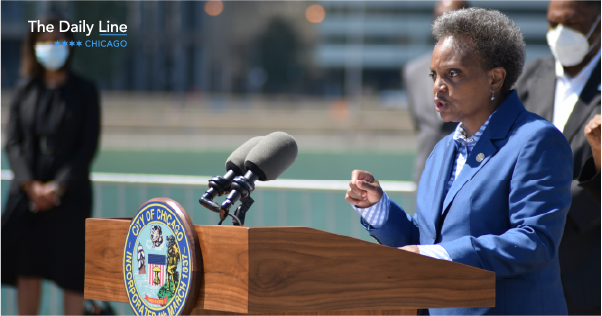 Chicago Mayor Lori Lightfoot addresses reporters about protections for downtown businesses amid looting concerns.
Chicago Mayor Lori Lightfoot announced a new, beefed up plan to prevent future looting both in the city’s downtown business district and in its neighborhoods. -
AUG 14, 2020
Cities should beef up officer training, take a harder line against police unions and consider shrinking the role of police in everyday life without cutting their funding, according to a nationwide blueprint for police reform developed by a league of U.S. mayors and police chiefs including Mayor Lori Lightfoot.
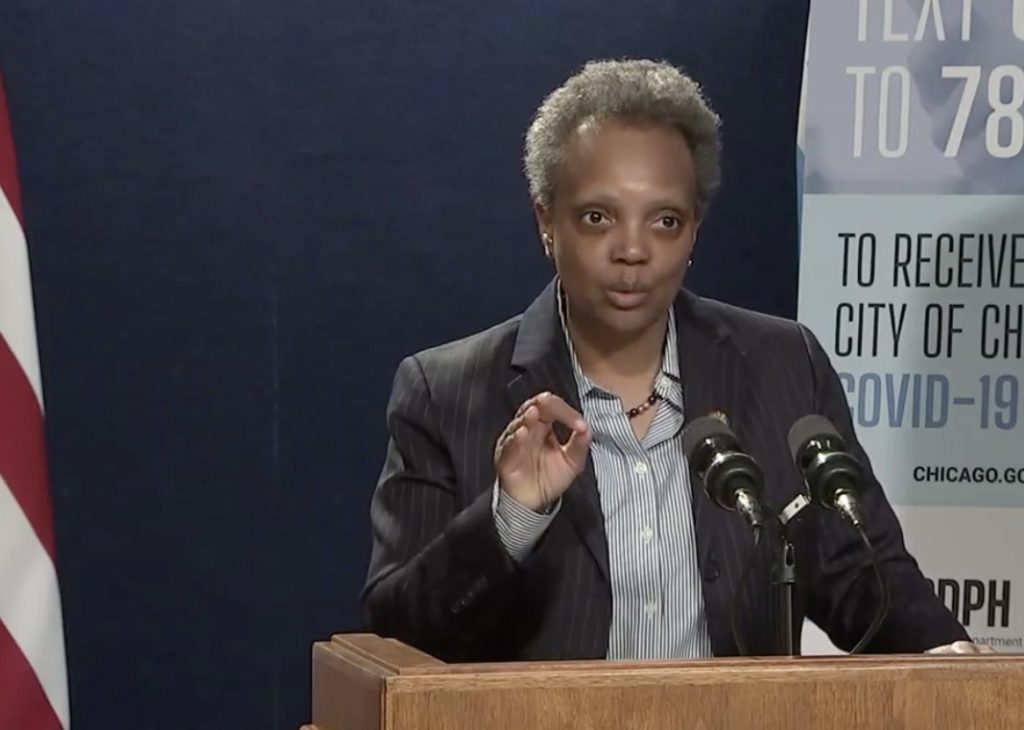 Chicago Mayor Lori Lightfoot [City of Chicago]
 -
AUG 13, 2020
UNLOCKED
Republican former Judge Pat O’Brien is challenging State’s Attorney Kim Foxx for reelection in November.
Cook County State’s Attorney Kim Foxx has found herself increasingly on the defensive this summer as Chicago reels from a historic spasm of violence and racial unrest, culminating in the widespread looting of downtown businesses early Monday morning.
Now, former Judge Pat O’Brien is hoping the backlash against is fierce enough push Cook County voters to a once-unthinkable feat: electing a Republican to countywide office for the first time in nearly three decades. -
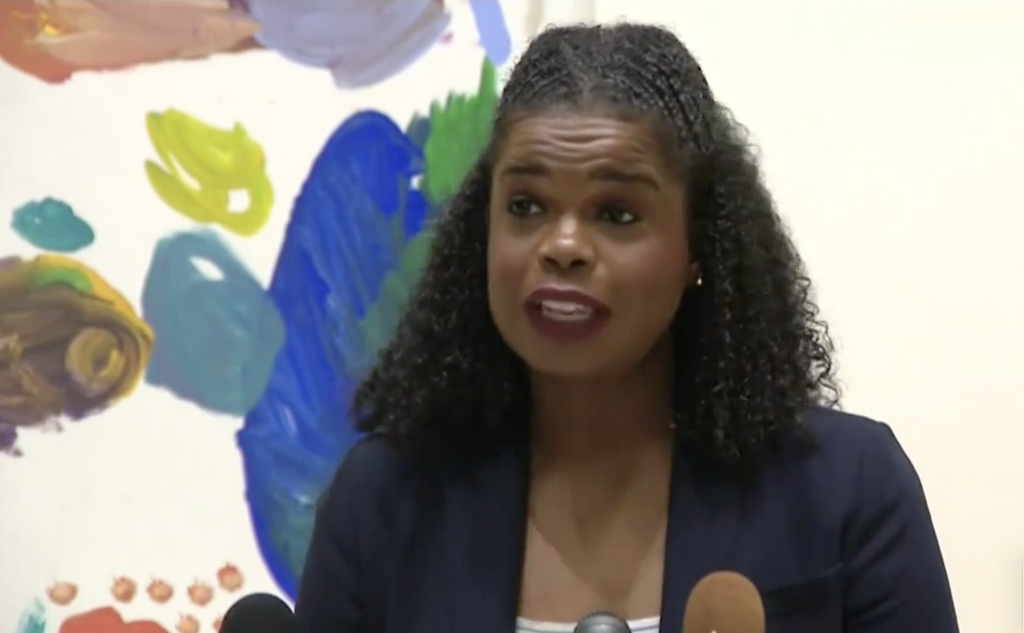 Cook County State’s Attorney Kim Foxx speaks to reporters Monday.
Hours of widespread looting in downtown Chicago early morning Monday is increasing tensions among public officials across the city and state, and also activist groups who are demanding for accountability in a police shooting Sunday that sparked the maelstrom. -
AUG 10, 2020
 Former Cook County Board of Ethics member Juliet Sorensen during a virtual town hall; Cook County Board President Toni Preckwinkle
Cook County leaders are vowing to press forward with a series of revisions to beef up the county’s ethics ordinance in the wake of a controversial shake-up in the appointed board that crafted the changes. -
Tax-increment financing (TIF) districts in Chicago are on track to pull in about $926 million from taxpayers this year, a record haul representing more than one-third of total taxes collected by the city.
Revenues from the special taxing districts jumped inside the city by more than 10 percent since last year, according to a report published Thursday by Cook County Clerk Karen Yarbrough. When including money from districts scattered across the Cook County suburbs, TIF revenue topped $1.3 billion. Those numbers represent values assessed for the 2019 tax year, which property owners are paying this year.
 News in brief: Special prosecutor dings @SAKimFoxx, former aviation official racks up ethics fines.
 Property owners who grow “native gardens” would be exempt from Chicago’s rules against overgrown weeds under new rules being developed by the Cook County Environmental Commission. [photo by Alex Cheek on Flickr]

